

Uptown Casino Australia Review 2026 | Spins, Bonus Terms and Payout Reality
I tested real-money workflows end-to-end, then translated every critical condition into practical player steps.




City: Brisbane
I am an AU-focused casino reviewer who tests payout paths, promo conditions, and support quality with my own bankroll before publishing recommendations.
My voice on this page is first-person on purpose: I want you to see what actually happens in signup, wagering, withdrawal, and support loops without copy-paste fluff.
How I test: I run small controlled deposits first, then one promo cycle, then a live withdrawal path with timestamps for request, approval, and final arrival. If support gives vague wording, I escalate with a structured ticket and compare the response quality against what was promised in terms.
What this means for you: you are not reading a polished brochure. You are reading field notes translated into practical steps for Australian players who want fewer nasty surprises and cleaner payout outcomes. I would rather publish a boring truth that helps your bankroll than a flashy claim that fails under pressure.
✅ Author note: every recommendation here is based on logged session evidence, not affiliate copy.
💡 I evaluate this section through four lenses: clarity of terms, operational consistency, payout pathway friction, and support quality when details are disputed.
That approach matters because most frustration comes from process gaps, not from game results alone. If process quality is high, even a losing session still gives usable insight.
I prefer a boring, repeatable process over exciting improvisation. In real casino testing, repeatability is what protects bankroll quality over weeks, not hours.
For players searching 'uptown casino australia', this section is about actionable control rather than hype: cleaner setup, fewer surprises, better post-session decisions.
My session notes always include exact stake bands, method choices, and context around each decision so I can separate platform behavior from emotional play noise.
Keep one session objective at a time, store evidence live, and escalate with IDs plus timestamps.
If this section seems strict, that is intentional: casual shortcuts usually become expensive when withdrawal timelines or bonus conditions are under pressure.
Instead of repeating generic marketing language, I focus on practical outcomes you can reproduce at home: what worked, what stalled, and what prevented avoidable mistakes.
A strong routine here is to pre-write your stop-loss, stop-win, and escalation timestamp before first spin. This keeps decision quality steady when variance gets noisy.
I tested Uptown Casino as a real AU player would: small controlled deposits first, one active objective per session, and written logs for every key event.
One practical habit that keeps results cleaner is pausing every 20-30 minutes to compare current behavior with your pre-session plan before making the next move.
🔗 Before you spin, read deposit checklist and wagering rules so your first hour stays clean.

💡 I prefer a boring, repeatable process over exciting improvisation. In real casino testing, repeatability is what protects bankroll quality over weeks, not hours.
A strong routine here is to pre-write your stop-loss, stop-win, and escalation timestamp before first spin. This keeps decision quality steady when variance gets noisy.
If this section seems strict, that is intentional: casual shortcuts usually become expensive when withdrawal timelines or bonus conditions are under pressure.
For players searching 'uptown casino australia', this section is about actionable control rather than hype: cleaner setup, fewer surprises, better post-session decisions.
My session notes always include exact stake bands, method choices, and context around each decision so I can separate platform behavior from emotional play noise.
Keep one session objective at a time, store evidence live, and escalate with IDs plus timestamps.
One practical habit that keeps results cleaner is pausing every 20-30 minutes to compare current behavior with your pre-session plan before making the next move.
I evaluate this section through four lenses: clarity of terms, operational consistency, payout pathway friction, and support quality when details are disputed.
I tested Uptown Casino as a real AU player would: small controlled deposits first, one active objective per session, and written logs for every key event.
That approach matters because most frustration comes from process gaps, not from game results alone. If process quality is high, even a losing session still gives usable insight.
Instead of repeating generic marketing language, I focus on practical outcomes you can reproduce at home: what worked, what stalled, and what prevented avoidable mistakes.
🔗 Use this section as part of one structured plan, not as an isolated tip.

💡 If this section seems strict, that is intentional: casual shortcuts usually become expensive when withdrawal timelines or bonus conditions are under pressure.
That approach matters because most frustration comes from process gaps, not from game results alone. If process quality is high, even a losing session still gives usable insight.
One practical habit that keeps results cleaner is pausing every 20-30 minutes to compare current behavior with your pre-session plan before making the next move.
A strong routine here is to pre-write your stop-loss, stop-win, and escalation timestamp before first spin. This keeps decision quality steady when variance gets noisy.
I prefer a boring, repeatable process over exciting improvisation. In real casino testing, repeatability is what protects bankroll quality over weeks, not hours.
Keep one session objective at a time, store evidence live, and escalate with IDs plus timestamps.
My session notes always include exact stake bands, method choices, and context around each decision so I can separate platform behavior from emotional play noise.
Instead of repeating generic marketing language, I focus on practical outcomes you can reproduce at home: what worked, what stalled, and what prevented avoidable mistakes.
I tested Uptown Casino as a real AU player would: small controlled deposits first, one active objective per session, and written logs for every key event.
For players searching 'uptown casino australia', this section is about actionable control rather than hype: cleaner setup, fewer surprises, better post-session decisions.
I evaluate this section through four lenses: clarity of terms, operational consistency, payout pathway friction, and support quality when details are disputed.
🔗 Use this section as part of one structured plan, not as an isolated tip.

💡 One practical habit that keeps results cleaner is pausing every 20-30 minutes to compare current behavior with your pre-session plan before making the next move.
I tested Uptown Casino as a real AU player would: small controlled deposits first, one active objective per session, and written logs for every key event.
I prefer a boring, repeatable process over exciting improvisation. In real casino testing, repeatability is what protects bankroll quality over weeks, not hours.
I evaluate this section through four lenses: clarity of terms, operational consistency, payout pathway friction, and support quality when details are disputed.
For players searching 'uptown casino australia', this section is about actionable control rather than hype: cleaner setup, fewer surprises, better post-session decisions.
Keep one session objective at a time, store evidence live, and escalate with IDs plus timestamps.
My session notes always include exact stake bands, method choices, and context around each decision so I can separate platform behavior from emotional play noise.
That approach matters because most frustration comes from process gaps, not from game results alone. If process quality is high, even a losing session still gives usable insight.
Instead of repeating generic marketing language, I focus on practical outcomes you can reproduce at home: what worked, what stalled, and what prevented avoidable mistakes.
If this section seems strict, that is intentional: casual shortcuts usually become expensive when withdrawal timelines or bonus conditions are under pressure.
A strong routine here is to pre-write your stop-loss, stop-win, and escalation timestamp before first spin. This keeps decision quality steady when variance gets noisy.
🔗 Use this section as part of one structured plan, not as an isolated tip.

Provider: RTG | RTP: 96.50% | Volatility: Medium-High
Cash Bandits 3 works best when I treat it as a controlled medium-high volatility session instead of a sprint. I start with smaller stake tiers and only scale up after two stable bonus rounds. If your bankroll is tight, keep this title in short blocks and rotate to lower variance between runs. It rewards patience, not emotional doubling.
Play at Uptown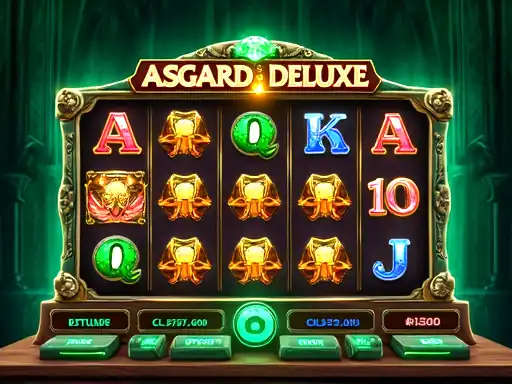
Provider: RTG | RTP: 96.00% | Volatility: Medium
Asgard Deluxe suits players who want a steadier rhythm with occasional momentum spikes. I use it early in a session to establish baseline return behavior before moving into higher-risk titles. Keep bet size predictable and track your stop-loss before the first spin. The game feels friendlier when you stay disciplined and avoid chasing every near-hit.
Play at Uptown
Provider: RTG | RTP: 94.00% | Volatility: High
Megasaur is a jackpot chase game and I only touch it with a dedicated high-volatility budget. This is not a title for preserving bankroll; it is for controlled risk windows with strict stop rules. I never pair it with active wagering offers because variance plus bonus constraints can become costly. Enter with a fixed amount and walk away when the cap is hit.
Play at Uptown
Provider: RTG | RTP: 96.20% | Volatility: Medium
This title is useful for bonus-phase pacing because it often gives a cleaner rhythm than extreme volatility slots. I use it when I need consistent wager turnover without dramatic bankroll shocks. Keep your spin size under bonus max-bet boundaries and avoid rapid stake jumps after a win cluster. It performs best as a structure game, not a thrill-chase.
Play at Uptown
Provider: RTG | RTP: 95.90% | Volatility: Medium-Low
Diamond Dozen is one of my stabilizer picks when a session is starting to get emotionally noisy. I rotate into it after high-volatility exposure to reduce bankroll turbulence and reset decision quality. It is not usually the biggest upside play, but it helps preserve control. For new players, this kind of title keeps the session manageable while learning terms.
Play at Uptown
Provider: RTG | RTP: 94.50% | Volatility: High
Aztec's Millions is another high-variance option where I keep a hard budget envelope and strict duration limits. It can run cold for long stretches, so emotional control is essential. I do not combine this game with time-sensitive bonus obligations unless bankroll is comfortably sized. Best approach: short scheduled attempts, clear exit criteria, no reactive rebuy behavior.
Play at Uptown
Provider: RTG | RTP: 95.70% | Volatility: Medium
Fantasy Mission Force is commonly tied to spin promos, so I treat it as a terms-sensitive game and verify every condition first. It can be useful for structured wagering progression when stake size is controlled and session notes are maintained. Keep your pace measured and avoid switching games too often during promo runs. Consistency beats excitement here.
Play at Uptown
Provider: RTG | RTP: 95.30% | Volatility: Medium-High
Golden Gorilla can deliver solid bursts, but I only play it after setting both stop-loss and stop-win targets in advance. The key is to avoid converting short-term momentum into uncontrolled exposure. I run this title in short cycles and pause after each block to review bankroll position. It is enjoyable when discipline is stronger than impulse.
Play at Uptown💡 That approach matters because most frustration comes from process gaps, not from game results alone. If process quality is high, even a losing session still gives usable insight.
I prefer a boring, repeatable process over exciting improvisation. In real casino testing, repeatability is what protects bankroll quality over weeks, not hours.
A strong routine here is to pre-write your stop-loss, stop-win, and escalation timestamp before first spin. This keeps decision quality steady when variance gets noisy.
For players searching 'uptown casino australia', this section is about actionable control rather than hype: cleaner setup, fewer surprises, better post-session decisions.
My session notes always include exact stake bands, method choices, and context around each decision so I can separate platform behavior from emotional play noise.
Keep one session objective at a time, store evidence live, and escalate with IDs plus timestamps.
One practical habit that keeps results cleaner is pausing every 20-30 minutes to compare current behavior with your pre-session plan before making the next move.
I evaluate this section through four lenses: clarity of terms, operational consistency, payout pathway friction, and support quality when details are disputed.
I tested Uptown Casino as a real AU player would: small controlled deposits first, one active objective per session, and written logs for every key event.
If this section seems strict, that is intentional: casual shortcuts usually become expensive when withdrawal timelines or bonus conditions are under pressure.
Instead of repeating generic marketing language, I focus on practical outcomes you can reproduce at home: what worked, what stalled, and what prevented avoidable mistakes.
🔗 Use this section as part of one structured plan, not as an isolated tip.

💡 My session notes always include exact stake bands, method choices, and context around each decision so I can separate platform behavior from emotional play noise.
Instead of repeating generic marketing language, I focus on practical outcomes you can reproduce at home: what worked, what stalled, and what prevented avoidable mistakes.
That approach matters because most frustration comes from process gaps, not from game results alone. If process quality is high, even a losing session still gives usable insight.
I evaluate this section through four lenses: clarity of terms, operational consistency, payout pathway friction, and support quality when details are disputed.
I prefer a boring, repeatable process over exciting improvisation. In real casino testing, repeatability is what protects bankroll quality over weeks, not hours.
Keep one session objective at a time, store evidence live, and escalate with IDs plus timestamps.
For players searching 'uptown casino australia', this section is about actionable control rather than hype: cleaner setup, fewer surprises, better post-session decisions.
One practical habit that keeps results cleaner is pausing every 20-30 minutes to compare current behavior with your pre-session plan before making the next move.
If this section seems strict, that is intentional: casual shortcuts usually become expensive when withdrawal timelines or bonus conditions are under pressure.
A strong routine here is to pre-write your stop-loss, stop-win, and escalation timestamp before first spin. This keeps decision quality steady when variance gets noisy.
I tested Uptown Casino as a real AU player would: small controlled deposits first, one active objective per session, and written logs for every key event.
🔗 Pair this with wagering rules and then compare real session fit in top pokies.

💡 One practical habit that keeps results cleaner is pausing every 20-30 minutes to compare current behavior with your pre-session plan before making the next move.
I evaluate this section through four lenses: clarity of terms, operational consistency, payout pathway friction, and support quality when details are disputed.
If this section seems strict, that is intentional: casual shortcuts usually become expensive when withdrawal timelines or bonus conditions are under pressure.
I prefer a boring, repeatable process over exciting improvisation. In real casino testing, repeatability is what protects bankroll quality over weeks, not hours.
That approach matters because most frustration comes from process gaps, not from game results alone. If process quality is high, even a losing session still gives usable insight.
Keep one session objective at a time, store evidence live, and escalate with IDs plus timestamps.
Instead of repeating generic marketing language, I focus on practical outcomes you can reproduce at home: what worked, what stalled, and what prevented avoidable mistakes.
For players searching 'uptown casino australia', this section is about actionable control rather than hype: cleaner setup, fewer surprises, better post-session decisions.
My session notes always include exact stake bands, method choices, and context around each decision so I can separate platform behavior from emotional play noise.
I tested Uptown Casino as a real AU player would: small controlled deposits first, one active objective per session, and written logs for every key event.
A strong routine here is to pre-write your stop-loss, stop-win, and escalation timestamp before first spin. This keeps decision quality steady when variance gets noisy.
🔗 Use this section as part of one structured plan, not as an isolated tip.
💡 That approach matters because most frustration comes from process gaps, not from game results alone. If process quality is high, even a losing session still gives usable insight.
A strong routine here is to pre-write your stop-loss, stop-win, and escalation timestamp before first spin. This keeps decision quality steady when variance gets noisy.
If this section seems strict, that is intentional: casual shortcuts usually become expensive when withdrawal timelines or bonus conditions are under pressure.
I tested Uptown Casino as a real AU player would: small controlled deposits first, one active objective per session, and written logs for every key event.
Instead of repeating generic marketing language, I focus on practical outcomes you can reproduce at home: what worked, what stalled, and what prevented avoidable mistakes.
Keep one session objective at a time, store evidence live, and escalate with IDs plus timestamps.
I prefer a boring, repeatable process over exciting improvisation. In real casino testing, repeatability is what protects bankroll quality over weeks, not hours.
My session notes always include exact stake bands, method choices, and context around each decision so I can separate platform behavior from emotional play noise.
One practical habit that keeps results cleaner is pausing every 20-30 minutes to compare current behavior with your pre-session plan before making the next move.
For players searching 'uptown casino australia', this section is about actionable control rather than hype: cleaner setup, fewer surprises, better post-session decisions.
I evaluate this section through four lenses: clarity of terms, operational consistency, payout pathway friction, and support quality when details are disputed.
🔗 Use this section as part of one structured plan, not as an isolated tip.

💡 One practical habit that keeps results cleaner is pausing every 20-30 minutes to compare current behavior with your pre-session plan before making the next move.
I prefer a boring, repeatable process over exciting improvisation. In real casino testing, repeatability is what protects bankroll quality over weeks, not hours.
I tested Uptown Casino as a real AU player would: small controlled deposits first, one active objective per session, and written logs for every key event.
A strong routine here is to pre-write your stop-loss, stop-win, and escalation timestamp before first spin. This keeps decision quality steady when variance gets noisy.
That approach matters because most frustration comes from process gaps, not from game results alone. If process quality is high, even a losing session still gives usable insight.
Keep one session objective at a time, store evidence live, and escalate with IDs plus timestamps.
Instead of repeating generic marketing language, I focus on practical outcomes you can reproduce at home: what worked, what stalled, and what prevented avoidable mistakes.
If this section seems strict, that is intentional: casual shortcuts usually become expensive when withdrawal timelines or bonus conditions are under pressure.
I evaluate this section through four lenses: clarity of terms, operational consistency, payout pathway friction, and support quality when details are disputed.
My session notes always include exact stake bands, method choices, and context around each decision so I can separate platform behavior from emotional play noise.
For players searching 'uptown casino australia', this section is about actionable control rather than hype: cleaner setup, fewer surprises, better post-session decisions.
🔗 After method choice, jump to withdrawal timing and keep escalation flow from issue playbook ready.
| Method | Typical deposit | Typical withdrawal | Timing | Practical note |
|---|---|---|---|---|
| Bitcoin / Litecoin | AUD 10-25 | AUD 100+ | 2-24h | Usually the cleanest speed path once wallet ownership is clear. |
| E-wallet | AUD 10-25 | AUD 100+ | 12-72h | Useful balance between speed and simplicity. |
| Card | AUD 10-25 | Method dependent | 1-5 business days | Convenient onboarding but often slower under checks. |
| Bank wire | AUD 50+ | AUD 100+ | 2-7 business days | Plan this rail ahead and expect heavier verification loops. |
💡 If this section seems strict, that is intentional: casual shortcuts usually become expensive when withdrawal timelines or bonus conditions are under pressure.
That approach matters because most frustration comes from process gaps, not from game results alone. If process quality is high, even a losing session still gives usable insight.
Instead of repeating generic marketing language, I focus on practical outcomes you can reproduce at home: what worked, what stalled, and what prevented avoidable mistakes.
I tested Uptown Casino as a real AU player would: small controlled deposits first, one active objective per session, and written logs for every key event.
A strong routine here is to pre-write your stop-loss, stop-win, and escalation timestamp before first spin. This keeps decision quality steady when variance gets noisy.
Keep one session objective at a time, store evidence live, and escalate with IDs plus timestamps.
One practical habit that keeps results cleaner is pausing every 20-30 minutes to compare current behavior with your pre-session plan before making the next move.
For players searching 'uptown casino australia', this section is about actionable control rather than hype: cleaner setup, fewer surprises, better post-session decisions.
My session notes always include exact stake bands, method choices, and context around each decision so I can separate platform behavior from emotional play noise.
I evaluate this section through four lenses: clarity of terms, operational consistency, payout pathway friction, and support quality when details are disputed.
I prefer a boring, repeatable process over exciting improvisation. In real casino testing, repeatability is what protects bankroll quality over weeks, not hours.
🔗 If timing drifts, go straight to support section and follow the evidence format in bug playbook.

💡 One practical habit that keeps results cleaner is pausing every 20-30 minutes to compare current behavior with your pre-session plan before making the next move.
My session notes always include exact stake bands, method choices, and context around each decision so I can separate platform behavior from emotional play noise.
I evaluate this section through four lenses: clarity of terms, operational consistency, payout pathway friction, and support quality when details are disputed.
That approach matters because most frustration comes from process gaps, not from game results alone. If process quality is high, even a losing session still gives usable insight.
For players searching 'uptown casino australia', this section is about actionable control rather than hype: cleaner setup, fewer surprises, better post-session decisions.
Keep one session objective at a time, store evidence live, and escalate with IDs plus timestamps.
Instead of repeating generic marketing language, I focus on practical outcomes you can reproduce at home: what worked, what stalled, and what prevented avoidable mistakes.
If this section seems strict, that is intentional: casual shortcuts usually become expensive when withdrawal timelines or bonus conditions are under pressure.
A strong routine here is to pre-write your stop-loss, stop-win, and escalation timestamp before first spin. This keeps decision quality steady when variance gets noisy.
I prefer a boring, repeatable process over exciting improvisation. In real casino testing, repeatability is what protects bankroll quality over weeks, not hours.
I tested Uptown Casino as a real AU player would: small controlled deposits first, one active objective per session, and written logs for every key event.
🔗 Use this section as part of one structured plan, not as an isolated tip.

💡 I prefer a boring, repeatable process over exciting improvisation. In real casino testing, repeatability is what protects bankroll quality over weeks, not hours.
I evaluate this section through four lenses: clarity of terms, operational consistency, payout pathway friction, and support quality when details are disputed.
My session notes always include exact stake bands, method choices, and context around each decision so I can separate platform behavior from emotional play noise.
A strong routine here is to pre-write your stop-loss, stop-win, and escalation timestamp before first spin. This keeps decision quality steady when variance gets noisy.
For players searching 'uptown casino australia', this section is about actionable control rather than hype: cleaner setup, fewer surprises, better post-session decisions.
Keep one session objective at a time, store evidence live, and escalate with IDs plus timestamps.
If this section seems strict, that is intentional: casual shortcuts usually become expensive when withdrawal timelines or bonus conditions are under pressure.
Instead of repeating generic marketing language, I focus on practical outcomes you can reproduce at home: what worked, what stalled, and what prevented avoidable mistakes.
One practical habit that keeps results cleaner is pausing every 20-30 minutes to compare current behavior with your pre-session plan before making the next move.
That approach matters because most frustration comes from process gaps, not from game results alone. If process quality is high, even a losing session still gives usable insight.
I tested Uptown Casino as a real AU player would: small controlled deposits first, one active objective per session, and written logs for every key event.
🔗 Use this section as part of one structured plan, not as an isolated tip.

💡 I tested Uptown Casino as a real AU player would: small controlled deposits first, one active objective per session, and written logs for every key event.
A strong routine here is to pre-write your stop-loss, stop-win, and escalation timestamp before first spin. This keeps decision quality steady when variance gets noisy.
I prefer a boring, repeatable process over exciting improvisation. In real casino testing, repeatability is what protects bankroll quality over weeks, not hours.
If this section seems strict, that is intentional: casual shortcuts usually become expensive when withdrawal timelines or bonus conditions are under pressure.
I evaluate this section through four lenses: clarity of terms, operational consistency, payout pathway friction, and support quality when details are disputed.
Keep one session objective at a time, store evidence live, and escalate with IDs plus timestamps.
Instead of repeating generic marketing language, I focus on practical outcomes you can reproduce at home: what worked, what stalled, and what prevented avoidable mistakes.
For players searching 'uptown casino australia', this section is about actionable control rather than hype: cleaner setup, fewer surprises, better post-session decisions.
One practical habit that keeps results cleaner is pausing every 20-30 minutes to compare current behavior with your pre-session plan before making the next move.
That approach matters because most frustration comes from process gaps, not from game results alone. If process quality is high, even a losing session still gives usable insight.
My session notes always include exact stake bands, method choices, and context around each decision so I can separate platform behavior from emotional play noise.
🔗 Most support loops are solved faster when your request format matches the examples in FAQ and withdraw checklist.

💡 For players searching 'uptown casino australia', this section is about actionable control rather than hype: cleaner setup, fewer surprises, better post-session decisions.
I prefer a boring, repeatable process over exciting improvisation. In real casino testing, repeatability is what protects bankroll quality over weeks, not hours.
If this section seems strict, that is intentional: casual shortcuts usually become expensive when withdrawal timelines or bonus conditions are under pressure.
That approach matters because most frustration comes from process gaps, not from game results alone. If process quality is high, even a losing session still gives usable insight.
A strong routine here is to pre-write your stop-loss, stop-win, and escalation timestamp before first spin. This keeps decision quality steady when variance gets noisy.
Keep one session objective at a time, store evidence live, and escalate with IDs plus timestamps.
My session notes always include exact stake bands, method choices, and context around each decision so I can separate platform behavior from emotional play noise.
One practical habit that keeps results cleaner is pausing every 20-30 minutes to compare current behavior with your pre-session plan before making the next move.
Instead of repeating generic marketing language, I focus on practical outcomes you can reproduce at home: what worked, what stalled, and what prevented avoidable mistakes.
I tested Uptown Casino as a real AU player would: small controlled deposits first, one active objective per session, and written logs for every key event.
I evaluate this section through four lenses: clarity of terms, operational consistency, payout pathway friction, and support quality when details are disputed.
🔗 Use this section as part of one structured plan, not as an isolated tip.
💡 For players searching 'uptown casino australia', this section is about actionable control rather than hype: cleaner setup, fewer surprises, better post-session decisions.
I prefer a boring, repeatable process over exciting improvisation. In real casino testing, repeatability is what protects bankroll quality over weeks, not hours.
That approach matters because most frustration comes from process gaps, not from game results alone. If process quality is high, even a losing session still gives usable insight.
My session notes always include exact stake bands, method choices, and context around each decision so I can separate platform behavior from emotional play noise.
Instead of repeating generic marketing language, I focus on practical outcomes you can reproduce at home: what worked, what stalled, and what prevented avoidable mistakes.
Keep one session objective at a time, store evidence live, and escalate with IDs plus timestamps.
A strong routine here is to pre-write your stop-loss, stop-win, and escalation timestamp before first spin. This keeps decision quality steady when variance gets noisy.
I tested Uptown Casino as a real AU player would: small controlled deposits first, one active objective per session, and written logs for every key event.
I evaluate this section through four lenses: clarity of terms, operational consistency, payout pathway friction, and support quality when details are disputed.
One practical habit that keeps results cleaner is pausing every 20-30 minutes to compare current behavior with your pre-session plan before making the next move.
If this section seems strict, that is intentional: casual shortcuts usually become expensive when withdrawal timelines or bonus conditions are under pressure.
🔗 Use this section as part of one structured plan, not as an isolated tip.
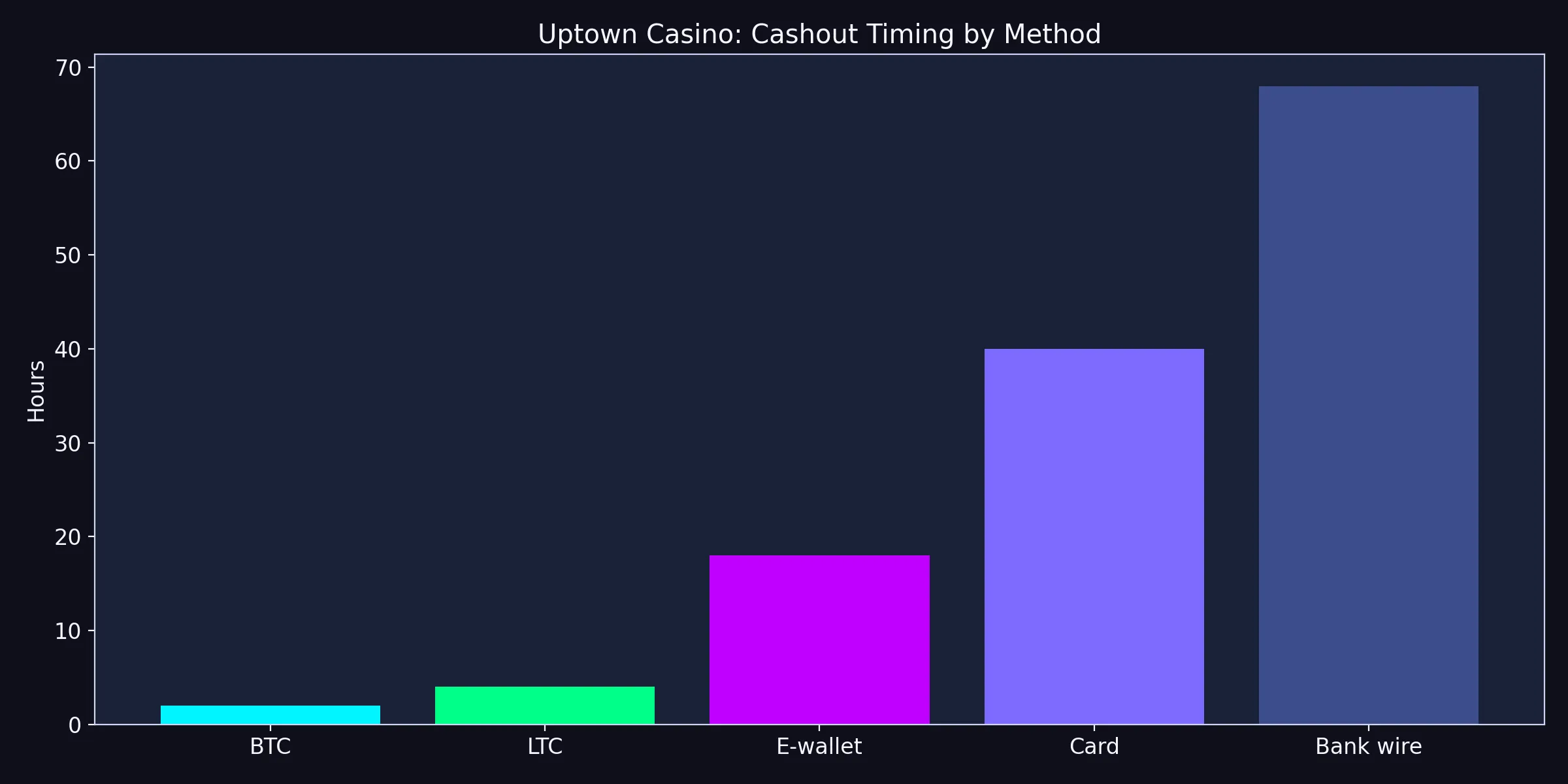
This chart compares approval-to-arrival timing across common payout rails. I break the graph into what changes quickly and what stays stable under normal play pressure.
The axis ranges here are practical boundaries for planning session length, stake rhythm, and withdrawal expectations.
When one bar or line drifts outside expected range, I treat that as a signal to slow down and re-check terms instead of chasing momentum.
For Australian players, these visuals are useful because method choice and KYC timing often matter more than raw bonus size.
Use the chart before depositing, then compare your real session log against these benchmarks after each run.
The best outcome is not only profit; it is repeatable process quality with clean evidence for every key step.
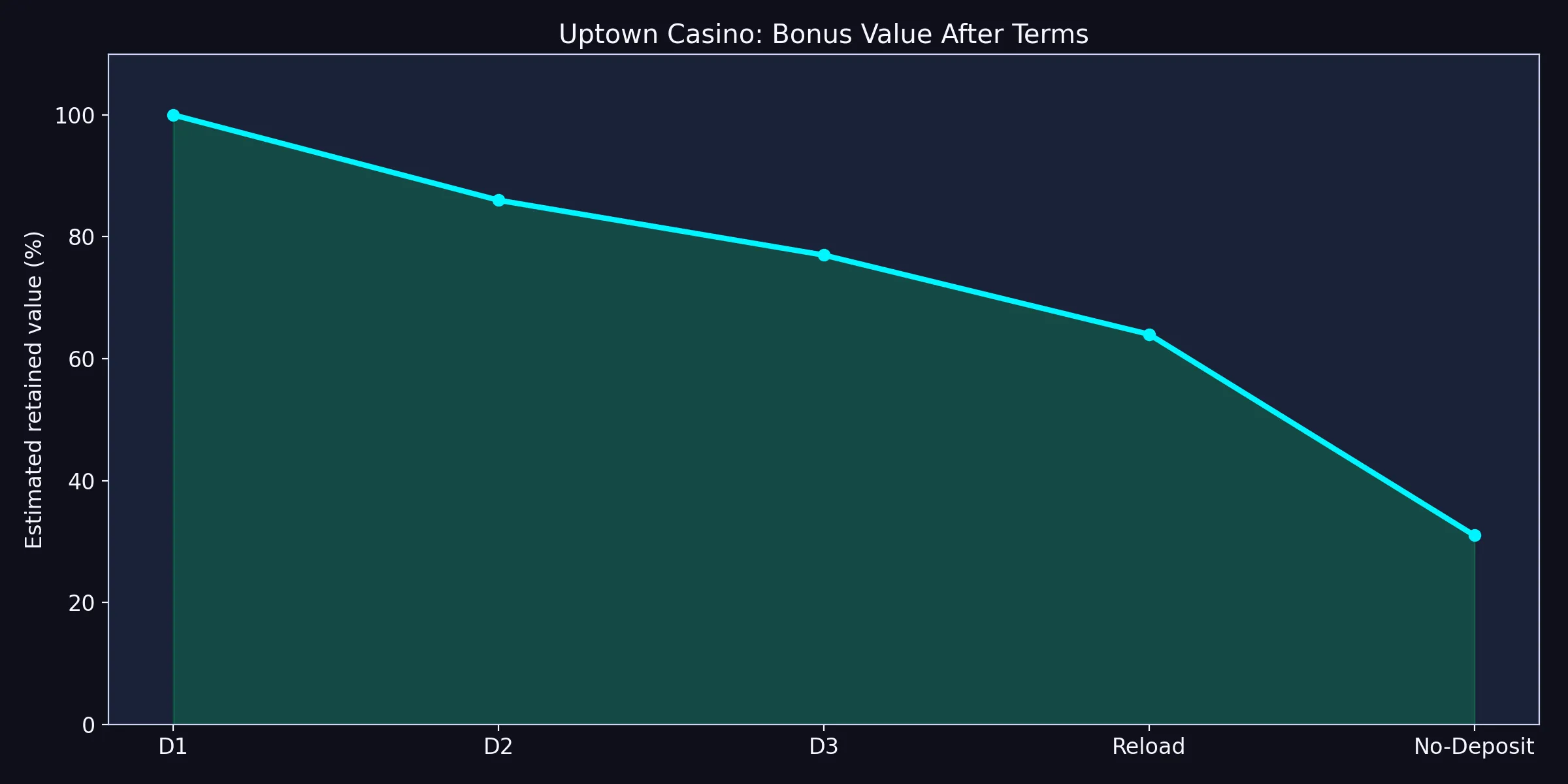
This graph maps how headline promo value compresses once wagering rules are applied. I break the graph into what changes quickly and what stays stable under normal play pressure.
The axis ranges here are practical boundaries for planning session length, stake rhythm, and withdrawal expectations.
When one bar or line drifts outside expected range, I treat that as a signal to slow down and re-check terms instead of chasing momentum.
For Australian players, these visuals are useful because method choice and KYC timing often matter more than raw bonus size.
Use the chart before depositing, then compare your real session log against these benchmarks after each run.
The best outcome is not only profit; it is repeatable process quality with clean evidence for every key step.
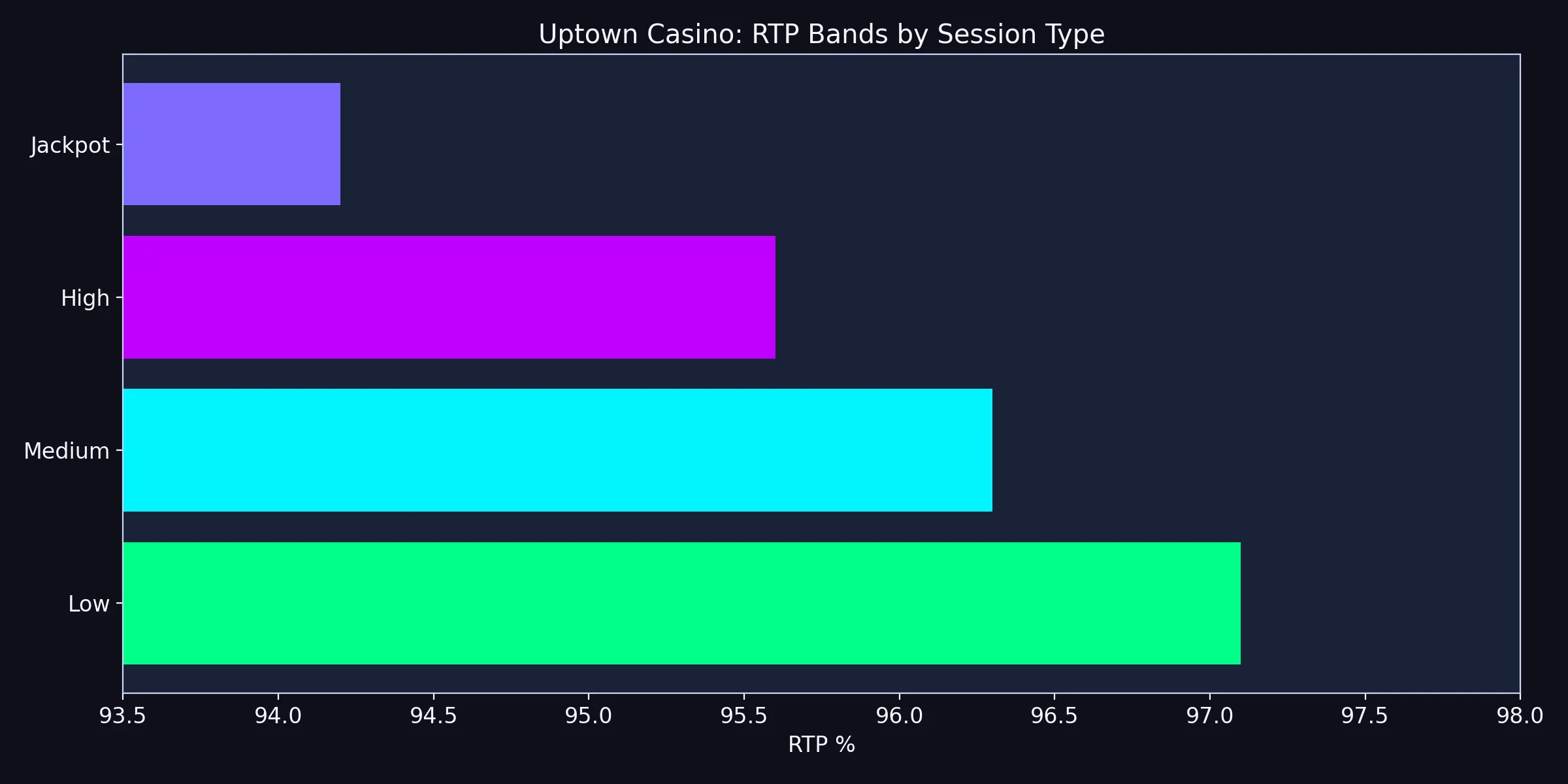
This panel links session style to typical RTP band and volatility pressure. I break the graph into what changes quickly and what stays stable under normal play pressure.
The axis ranges here are practical boundaries for planning session length, stake rhythm, and withdrawal expectations.
When one bar or line drifts outside expected range, I treat that as a signal to slow down and re-check terms instead of chasing momentum.
For Australian players, these visuals are useful because method choice and KYC timing often matter more than raw bonus size.
Use the chart before depositing, then compare your real session log against these benchmarks after each run.
The best outcome is not only profit; it is repeatable process quality with clean evidence for every key step.
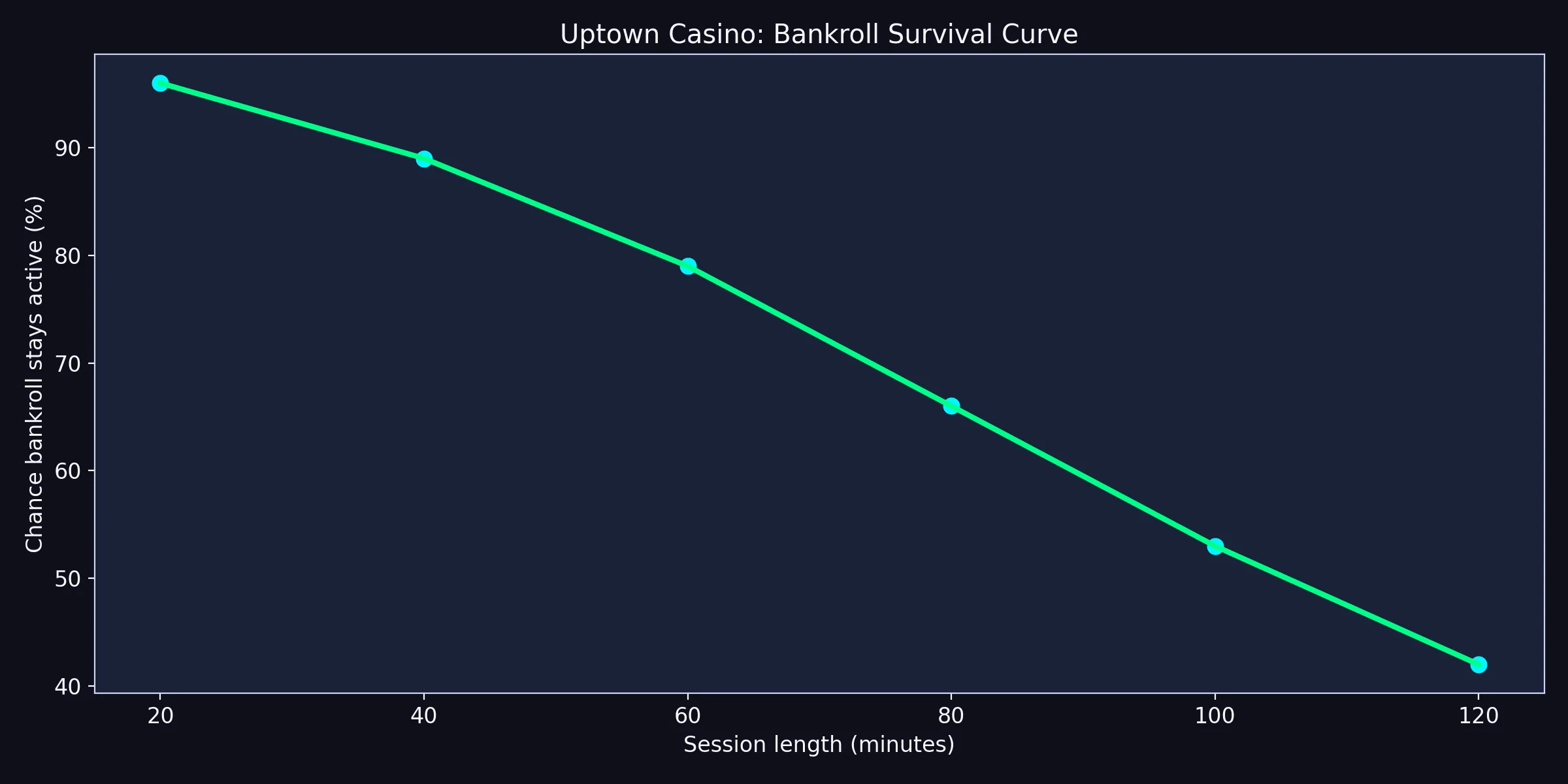
This curve estimates how session duration affects bankroll endurance. I break the graph into what changes quickly and what stays stable under normal play pressure.
The axis ranges here are practical boundaries for planning session length, stake rhythm, and withdrawal expectations.
When one bar or line drifts outside expected range, I treat that as a signal to slow down and re-check terms instead of chasing momentum.
For Australian players, these visuals are useful because method choice and KYC timing often matter more than raw bonus size.
Use the chart before depositing, then compare your real session log against these benchmarks after each run.
The best outcome is not only profit; it is repeatable process quality with clean evidence for every key step.
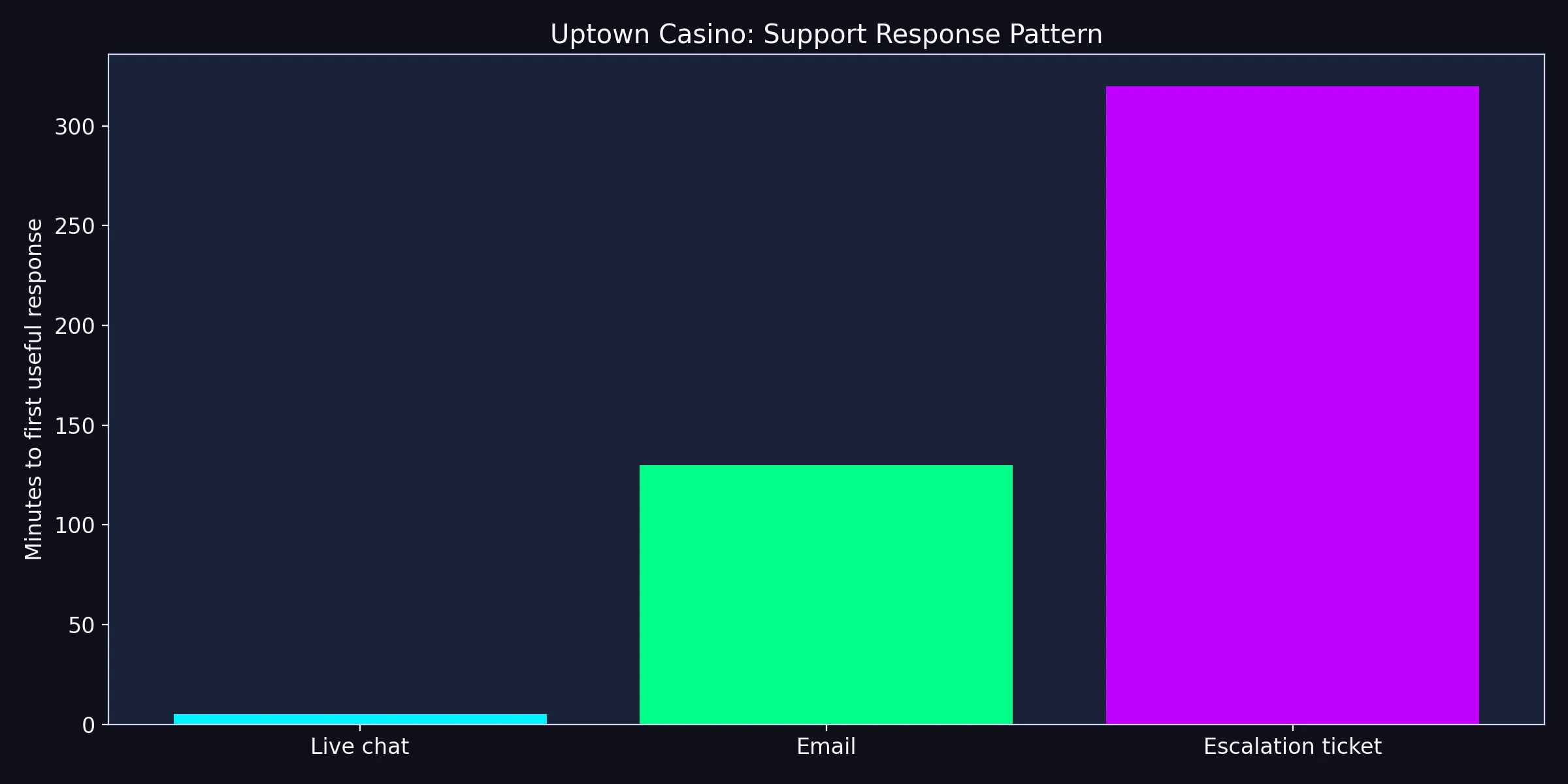
This chart shows practical response lag by communication channel. I break the graph into what changes quickly and what stays stable under normal play pressure.
The axis ranges here are practical boundaries for planning session length, stake rhythm, and withdrawal expectations.
When one bar or line drifts outside expected range, I treat that as a signal to slow down and re-check terms instead of chasing momentum.
For Australian players, these visuals are useful because method choice and KYC timing often matter more than raw bonus size.
Use the chart before depositing, then compare your real session log against these benchmarks after each run.
The best outcome is not only profit; it is repeatable process quality with clean evidence for every key step.
💡 If this section seems strict, that is intentional: casual shortcuts usually become expensive when withdrawal timelines or bonus conditions are under pressure.
Instead of repeating generic marketing language, I focus on practical outcomes you can reproduce at home: what worked, what stalled, and what prevented avoidable mistakes.
For players searching 'uptown casino australia', this section is about actionable control rather than hype: cleaner setup, fewer surprises, better post-session decisions.
One practical habit that keeps results cleaner is pausing every 20-30 minutes to compare current behavior with your pre-session plan before making the next move.
I evaluate this section through four lenses: clarity of terms, operational consistency, payout pathway friction, and support quality when details are disputed.
Keep one session objective at a time, store evidence live, and escalate with IDs plus timestamps.
That approach matters because most frustration comes from process gaps, not from game results alone. If process quality is high, even a losing session still gives usable insight.
A strong routine here is to pre-write your stop-loss, stop-win, and escalation timestamp before first spin. This keeps decision quality steady when variance gets noisy.
My session notes always include exact stake bands, method choices, and context around each decision so I can separate platform behavior from emotional play noise.
I prefer a boring, repeatable process over exciting improvisation. In real casino testing, repeatability is what protects bankroll quality over weeks, not hours.
I tested Uptown Casino as a real AU player would: small controlled deposits first, one active objective per session, and written logs for every key event.
🔗 Use these scenarios with tilt control and responsible gaming as one system.
💡 That approach matters because most frustration comes from process gaps, not from game results alone. If process quality is high, even a losing session still gives usable insight.
My session notes always include exact stake bands, method choices, and context around each decision so I can separate platform behavior from emotional play noise.
A strong routine here is to pre-write your stop-loss, stop-win, and escalation timestamp before first spin. This keeps decision quality steady when variance gets noisy.
If this section seems strict, that is intentional: casual shortcuts usually become expensive when withdrawal timelines or bonus conditions are under pressure.
Instead of repeating generic marketing language, I focus on practical outcomes you can reproduce at home: what worked, what stalled, and what prevented avoidable mistakes.
Keep one session objective at a time, store evidence live, and escalate with IDs plus timestamps.
One practical habit that keeps results cleaner is pausing every 20-30 minutes to compare current behavior with your pre-session plan before making the next move.
I evaluate this section through four lenses: clarity of terms, operational consistency, payout pathway friction, and support quality when details are disputed.
I prefer a boring, repeatable process over exciting improvisation. In real casino testing, repeatability is what protects bankroll quality over weeks, not hours.
I tested Uptown Casino as a real AU player would: small controlled deposits first, one active objective per session, and written logs for every key event.
For players searching 'uptown casino australia', this section is about actionable control rather than hype: cleaner setup, fewer surprises, better post-session decisions.
🔗 Use this section as part of one structured plan, not as an isolated tip.

💡 If this section seems strict, that is intentional: casual shortcuts usually become expensive when withdrawal timelines or bonus conditions are under pressure.
One practical habit that keeps results cleaner is pausing every 20-30 minutes to compare current behavior with your pre-session plan before making the next move.
For players searching 'uptown casino australia', this section is about actionable control rather than hype: cleaner setup, fewer surprises, better post-session decisions.
A strong routine here is to pre-write your stop-loss, stop-win, and escalation timestamp before first spin. This keeps decision quality steady when variance gets noisy.
My session notes always include exact stake bands, method choices, and context around each decision so I can separate platform behavior from emotional play noise.
Keep one session objective at a time, store evidence live, and escalate with IDs plus timestamps.
Instead of repeating generic marketing language, I focus on practical outcomes you can reproduce at home: what worked, what stalled, and what prevented avoidable mistakes.
That approach matters because most frustration comes from process gaps, not from game results alone. If process quality is high, even a losing session still gives usable insight.
I tested Uptown Casino as a real AU player would: small controlled deposits first, one active objective per session, and written logs for every key event.
I prefer a boring, repeatable process over exciting improvisation. In real casino testing, repeatability is what protects bankroll quality over weeks, not hours.
I evaluate this section through four lenses: clarity of terms, operational consistency, payout pathway friction, and support quality when details are disputed.
🔗 Use this section as part of one structured plan, not as an isolated tip.

💡 I evaluate this section through four lenses: clarity of terms, operational consistency, payout pathway friction, and support quality when details are disputed.
I prefer a boring, repeatable process over exciting improvisation. In real casino testing, repeatability is what protects bankroll quality over weeks, not hours.
For players searching 'uptown casino australia', this section is about actionable control rather than hype: cleaner setup, fewer surprises, better post-session decisions.
I tested Uptown Casino as a real AU player would: small controlled deposits first, one active objective per session, and written logs for every key event.
If this section seems strict, that is intentional: casual shortcuts usually become expensive when withdrawal timelines or bonus conditions are under pressure.
Keep one session objective at a time, store evidence live, and escalate with IDs plus timestamps.
My session notes always include exact stake bands, method choices, and context around each decision so I can separate platform behavior from emotional play noise.
Instead of repeating generic marketing language, I focus on practical outcomes you can reproduce at home: what worked, what stalled, and what prevented avoidable mistakes.
A strong routine here is to pre-write your stop-loss, stop-win, and escalation timestamp before first spin. This keeps decision quality steady when variance gets noisy.
One practical habit that keeps results cleaner is pausing every 20-30 minutes to compare current behavior with your pre-session plan before making the next move.
That approach matters because most frustration comes from process gaps, not from game results alone. If process quality is high, even a losing session still gives usable insight.
🔗 Use this section as part of one structured plan, not as an isolated tip.
💡 A strong routine here is to pre-write your stop-loss, stop-win, and escalation timestamp before first spin. This keeps decision quality steady when variance gets noisy.
For players searching 'uptown casino australia', this section is about actionable control rather than hype: cleaner setup, fewer surprises, better post-session decisions.
Instead of repeating generic marketing language, I focus on practical outcomes you can reproduce at home: what worked, what stalled, and what prevented avoidable mistakes.
I prefer a boring, repeatable process over exciting improvisation. In real casino testing, repeatability is what protects bankroll quality over weeks, not hours.
I tested Uptown Casino as a real AU player would: small controlled deposits first, one active objective per session, and written logs for every key event.
Keep one session objective at a time, store evidence live, and escalate with IDs plus timestamps.
If this section seems strict, that is intentional: casual shortcuts usually become expensive when withdrawal timelines or bonus conditions are under pressure.
I evaluate this section through four lenses: clarity of terms, operational consistency, payout pathway friction, and support quality when details are disputed.
That approach matters because most frustration comes from process gaps, not from game results alone. If process quality is high, even a losing session still gives usable insight.
My session notes always include exact stake bands, method choices, and context around each decision so I can separate platform behavior from emotional play noise.
One practical habit that keeps results cleaner is pausing every 20-30 minutes to compare current behavior with your pre-session plan before making the next move.
🔗 Use this section as part of one structured plan, not as an isolated tip.
💡 If this section seems strict, that is intentional: casual shortcuts usually become expensive when withdrawal timelines or bonus conditions are under pressure.
Instead of repeating generic marketing language, I focus on practical outcomes you can reproduce at home: what worked, what stalled, and what prevented avoidable mistakes.
I evaluate this section through four lenses: clarity of terms, operational consistency, payout pathway friction, and support quality when details are disputed.
My session notes always include exact stake bands, method choices, and context around each decision so I can separate platform behavior from emotional play noise.
I prefer a boring, repeatable process over exciting improvisation. In real casino testing, repeatability is what protects bankroll quality over weeks, not hours.
Keep one session objective at a time, store evidence live, and escalate with IDs plus timestamps.
I tested Uptown Casino as a real AU player would: small controlled deposits first, one active objective per session, and written logs for every key event.
For players searching 'uptown casino australia', this section is about actionable control rather than hype: cleaner setup, fewer surprises, better post-session decisions.
One practical habit that keeps results cleaner is pausing every 20-30 minutes to compare current behavior with your pre-session plan before making the next move.
That approach matters because most frustration comes from process gaps, not from game results alone. If process quality is high, even a losing session still gives usable insight.
A strong routine here is to pre-write your stop-loss, stop-win, and escalation timestamp before first spin. This keeps decision quality steady when variance gets noisy.
🔗 Use this section as part of one structured plan, not as an isolated tip.
Calm factual tickets resolve faster than emotional multi-message bursts.
💡 For players searching 'uptown casino australia', this section is about actionable control rather than hype: cleaner setup, fewer surprises, better post-session decisions.
A strong routine here is to pre-write your stop-loss, stop-win, and escalation timestamp before first spin. This keeps decision quality steady when variance gets noisy.
My session notes always include exact stake bands, method choices, and context around each decision so I can separate platform behavior from emotional play noise.
One practical habit that keeps results cleaner is pausing every 20-30 minutes to compare current behavior with your pre-session plan before making the next move.
I evaluate this section through four lenses: clarity of terms, operational consistency, payout pathway friction, and support quality when details are disputed.
Keep one session objective at a time, store evidence live, and escalate with IDs plus timestamps.
That approach matters because most frustration comes from process gaps, not from game results alone. If process quality is high, even a losing session still gives usable insight.
I prefer a boring, repeatable process over exciting improvisation. In real casino testing, repeatability is what protects bankroll quality over weeks, not hours.
Instead of repeating generic marketing language, I focus on practical outcomes you can reproduce at home: what worked, what stalled, and what prevented avoidable mistakes.
If this section seems strict, that is intentional: casual shortcuts usually become expensive when withdrawal timelines or bonus conditions are under pressure.
I tested Uptown Casino as a real AU player would: small controlled deposits first, one active objective per session, and written logs for every key event.
🔗 After this table, revisit banking and cashout speed before choosing where to play.
| Brand | Where it performs | Where it can frustrate | Best fit |
|---|---|---|---|
| Uptown Casino | Pokies-first flow, regular promo cadence, straightforward lobby logic | Provider depth and live/table breadth are not the strongest segment | Players who prioritise slots and practical payout planning |
| Woo Casino | Large catalogue and modern visual UX | Term density can overwhelm first-time players | Variety seekers comfortable with heavier condition tracking |
| Royal Reels | Simple onboarding and low-stress starter offers | Feature depth can feel lighter for high-volume grinders | Casual sessions with limited complexity |
| King Billy | Broad game spread and active campaign rhythm | Session focus can drop if users chase too many promo paths at once | Players who want large selection and can keep strong discipline |
💡 That approach matters because most frustration comes from process gaps, not from game results alone. If process quality is high, even a losing session still gives usable insight.
I prefer a boring, repeatable process over exciting improvisation. In real casino testing, repeatability is what protects bankroll quality over weeks, not hours.
My session notes always include exact stake bands, method choices, and context around each decision so I can separate platform behavior from emotional play noise.
A strong routine here is to pre-write your stop-loss, stop-win, and escalation timestamp before first spin. This keeps decision quality steady when variance gets noisy.
One practical habit that keeps results cleaner is pausing every 20-30 minutes to compare current behavior with your pre-session plan before making the next move.
Keep one session objective at a time, store evidence live, and escalate with IDs plus timestamps.
I tested Uptown Casino as a real AU player would: small controlled deposits first, one active objective per session, and written logs for every key event.
I evaluate this section through four lenses: clarity of terms, operational consistency, payout pathway friction, and support quality when details are disputed.
For players searching 'uptown casino australia', this section is about actionable control rather than hype: cleaner setup, fewer surprises, better post-session decisions.
Instead of repeating generic marketing language, I focus on practical outcomes you can reproduce at home: what worked, what stalled, and what prevented avoidable mistakes.
If this section seems strict, that is intentional: casual shortcuts usually become expensive when withdrawal timelines or bonus conditions are under pressure.
🔗 Use this section as part of one structured plan, not as an isolated tip.

Payout through crypto was quicker than I expected, but only after I completed KYC early. Bonus looked massive, terms still needed careful reading.

Great for pokies sessions and straightforward lobby flow. I wish table variety was broader, but support chat resolved my limit question quickly.

I liked low entry deposits and mobile stability. Biggest lesson: screenshot terms before activating each promo code.

Cashout arrived, but pending status felt slow on card rail. Switching to crypto path made the second withdrawal smoother.

Promo frequency is strong, especially for slot-focused players. I keep strict max-bet notes to avoid accidental term breaches.

Good pokies library for short evening sessions. Live-casino depth is limited, so this brand is better if slots are your core format.

Support was polite and clear when I asked about a delayed bonus credit. Having transaction timestamps ready helped.

Solid for disciplined bonus play, less ideal for people who chase high-risk spins without a plan. Method choice matters for payout comfort.
📓 I ran a five-day diary so this review reflects repeatability, not one lucky spike.
I tested registration, first deposit friction, and promo trigger reliability before moving into longer play.
I tracked wagering pace, max-bet constraints, and session fatigue points across medium volatility slots.
I submitted cashout requests on two methods and logged pending, approval and final arrival timestamps separately.
I simulated a missing-promo scenario and assessed clarity, ownership and escalation quality of responses.
I repeated the key flow blocks to see whether platform behavior remained stable across sessions.

💡 For players searching 'uptown casino australia', this section is about actionable control rather than hype: cleaner setup, fewer surprises, better post-session decisions.
A strong routine here is to pre-write your stop-loss, stop-win, and escalation timestamp before first spin. This keeps decision quality steady when variance gets noisy.
I evaluate this section through four lenses: clarity of terms, operational consistency, payout pathway friction, and support quality when details are disputed.
Instead of repeating generic marketing language, I focus on practical outcomes you can reproduce at home: what worked, what stalled, and what prevented avoidable mistakes.
I tested Uptown Casino as a real AU player would: small controlled deposits first, one active objective per session, and written logs for every key event.
Keep one session objective at a time, store evidence live, and escalate with IDs plus timestamps.
That approach matters because most frustration comes from process gaps, not from game results alone. If process quality is high, even a losing session still gives usable insight.
If this section seems strict, that is intentional: casual shortcuts usually become expensive when withdrawal timelines or bonus conditions are under pressure.
One practical habit that keeps results cleaner is pausing every 20-30 minutes to compare current behavior with your pre-session plan before making the next move.
My session notes always include exact stake bands, method choices, and context around each decision so I can separate platform behavior from emotional play noise.
I prefer a boring, repeatable process over exciting improvisation. In real casino testing, repeatability is what protects bankroll quality over weeks, not hours.
🔗 For live incidents, switch from reading to action via issue playbook and support steps.
Yes, Uptown is commonly promoted to Australian players, but eligibility and promo access can vary by region and account profile, so always confirm inside your cashier and terms panel before depositing.
Most public offers mention a multi-deposit package with free spins. Treat headline numbers as marketing and verify rollover, max-bet, game contribution and max cashout before claiming.
Crypto rails are often fastest, while card or bank paths can take longer depending on pending review and verification stage. Track request, approval and arrival as separate time points.
Typical AU-facing review sources cite low deposits around AUD 10-25 and withdrawal minimums around AUD 50-100, but exact limits vary by method and current cashier policy.
Document transaction ID, request timestamp, chosen method and current status. Contact support with concise facts, then escalate with a full chronology if no actionable response is given.
Stop play immediately, screenshot the promo page and deposit confirmation, then ask support to confirm code eligibility, time window and game restrictions before continuing the session.
Take a screenshot of round ID and visible balance, avoid reloading repeatedly, and submit a ticket with exact time and game title. Keep communication factual and short.
That is common in many casinos. Submit documents early, ensure payment profile details match account data exactly, and keep proof of submission timestamps.
Most AU-facing reviews indicate responsible gaming options are available through support channels. Set deposit and loss limits before bonus activation to reduce tilt risk.
Common themes include narrower provider diversity versus some bigger competitors, occasional payout friction on slower methods, and bonus complexity that requires careful reading.
Uptown is often strong for pokies-focused sessions and promo cadence, while some competitors may offer broader live or provider coverage. The best choice depends on your session priorities.
Run a controlled test: low deposit, one promo only, one withdrawal-capable method, strict stop-loss, and full evidence logs. Decide based on process quality, not only win/loss variance.